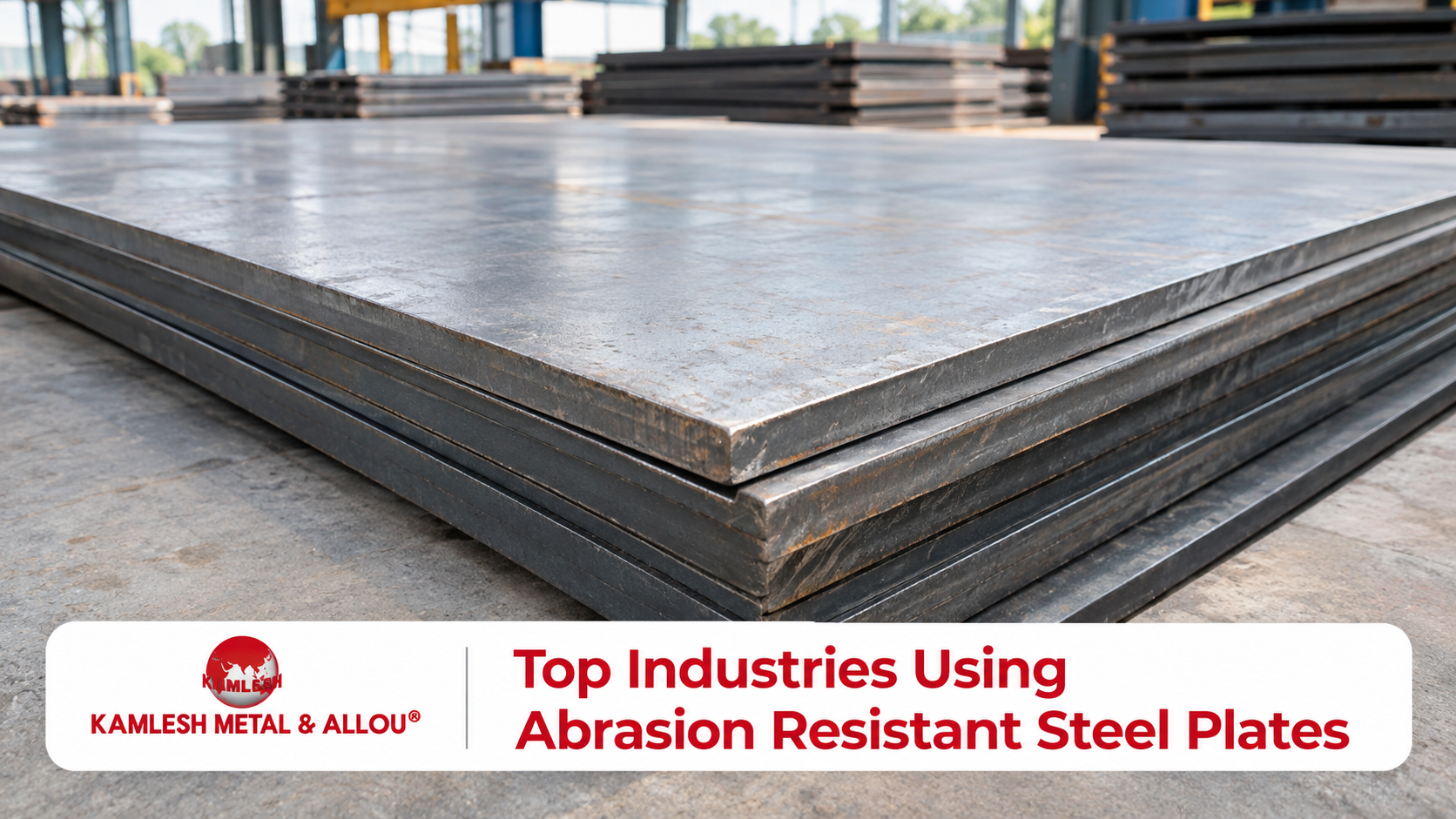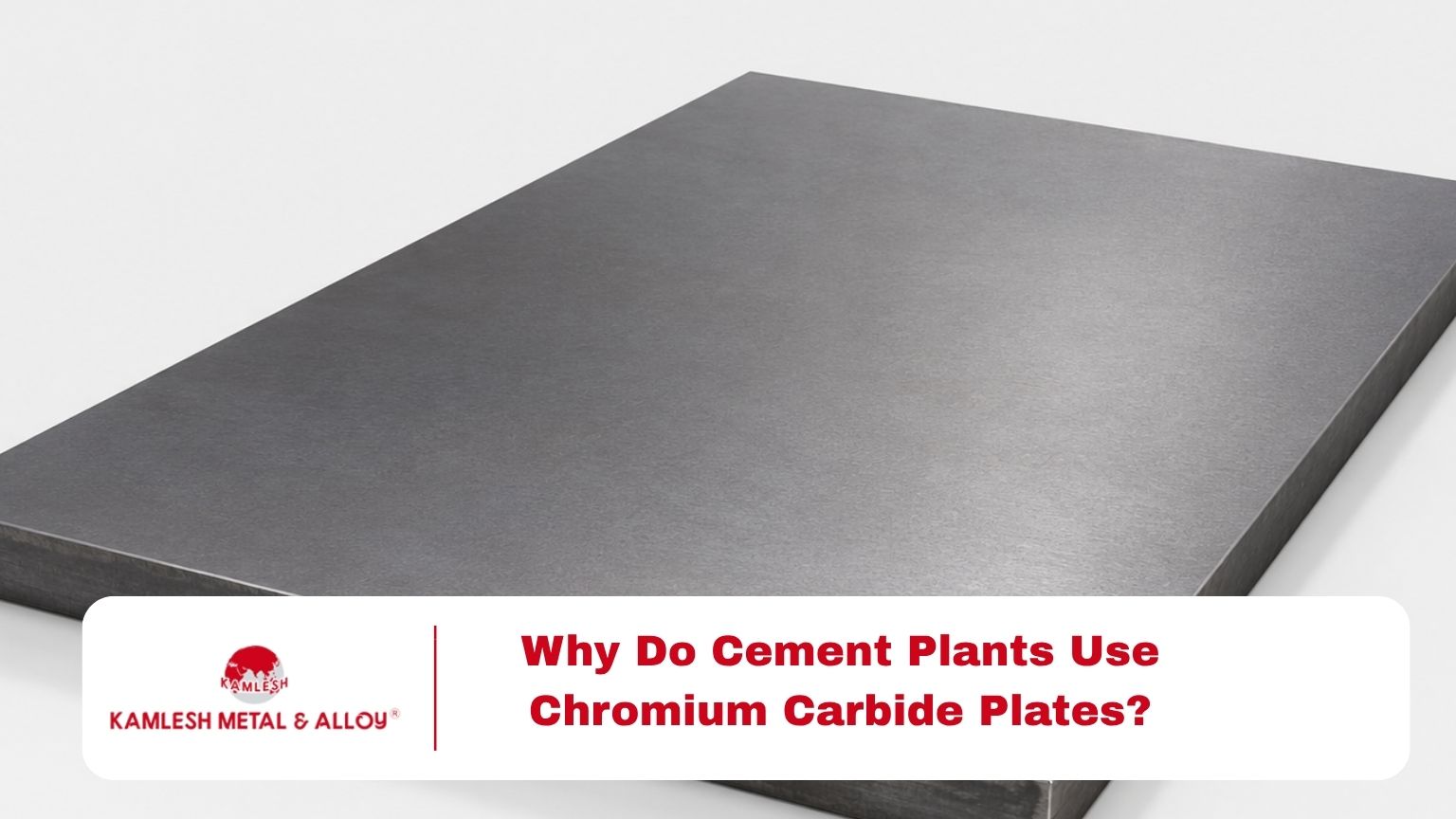
Industrial equipment handling abrasive material, ore, slag, coal, or aggregate wears out fast when the surfaces in contact with that material aren’t built for it. A Chromium Carbide Wear Plate provides a dedicated wear-resistant surface for these demanding conditions. Standard steel plate erodes under constant abrasive contact, and replacing worn liners repeatedly adds up in downtime, labour, and material cost across a plant’s operating life. Wear-resistant materials exist specifically to slow that erosion down, and among them, Chromium Carbide Overlay Plate has become one of the most widely used solutions across heavy industry. Its popularity comes down to a straightforward trade-off: it costs more upfront than plain steel, but it lasts long enough in abrasive service to make that cost back several times over.
What Is a Chromium Carbide Overlay Plate?
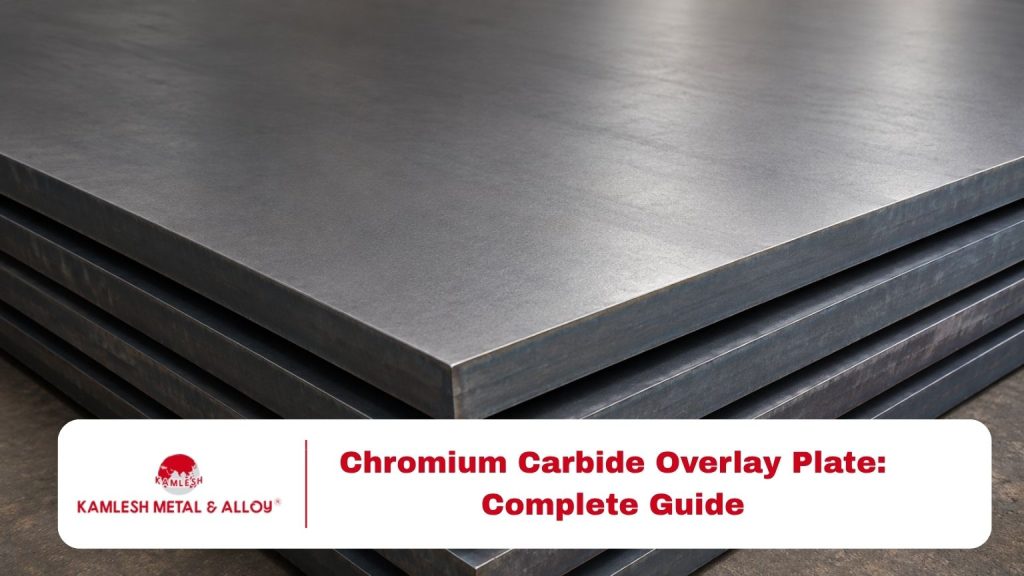
Chromium Carbide Overlay Plates consist of a steel base plate with a chromium carbide hardfacing layer deposited onto its surface. That hardfacing layer provides the primary abrasion resistance; the mild steel base underneath provides structural support and keeps the plate weldable and workable during fabrication. The overlay is engineered specifically to resist severe abrasion in a way plain steel cannot, holding up under repeated contact that would grind a standard liner thin within months. CCO plates come in a range of thicknesses and sizes, so the base-to-overlay ratio can be matched to how aggressive the wear environment actually is.
How Is Chromium Carbide Overlay Plate Manufactured?
Manufacturing relies on a hardfacing welding process, where a chromium carbide alloy is deposited onto the mild steel base in controlled passes across the plate surface. As the weld cools, it forms a metallurgical bond between the overlay and the base plate, not just a surface coating that can flake off under stress or impact. Within that overlay, hard carbide structures form throughout the weld deposit, which is what gives the finished plate its abrasion resistance. Quality inspection and finishing follow, checking bond integrity and surface consistency before the plate ships to a customer. At Kamlesh Metal & Alloy, we consider overlay integrity, surface condition, and application requirements when supplying wear-resistant plate for abrasive-service equipment.
Features of Chromium Carbide Overlay Plates
- Excellent abrasion resistance
- High hardness across the overlay surface
- Extended equipment life in wear-heavy service
- Good impact resistance alongside abrasion resistance
- Easy fabrication and installation using standard welding methods
- Reduced maintenance requirements once installed
Where Are Chromium Carbide Overlay Plates Used?
Mining Industry
Chutes, hoppers, and excavation equipment all face constant contact with ore and rock, making abrasion resistance a direct maintenance-cost issue rather than a nice-to-have spec.
Cement Plant
Cyclones, fans, crushers and clinker handling systems are exposed to abrasive dust and material flow, which quickly destroys ordinary steel. Transfer points are especially vulnerable.
Power-plant
Coal handling equipment, ash handling systems and pulverisers are in continual abrasive contact with coal and ash particles moving through the system 24 hours a day.
Steel Industry
Wear protection above normal plate is required for material transport systems, sinter plants and blast furnace equipment handling hot, abrasive material.
Recycling & Quarrying
Processed material and aggregate move through the plant every day and comes into abrasive touch with screening equipment, crushers, conveyors and loading systems repeatedly.
Chromium Carbide Overlay Plates Benefits
- Lower maintenance costs over the equipment’s operating life
- Reduced equipment downtime from wear-related failures
- Longer replacement intervals compared to standard steel liners
- Improved operational efficiency across abrasive-service equipment
- Cost-effective wear protection relative to frequent liner replacement
- Increased productivity from less time spent on repairs
Conclusion
Chromium Carbide Overlay Plate solves a problem plain steel simply isn’t built for: sustained abrasive wear across mining, cement, power generation, steel production, and recycling equipment. The combination of a mild steel base and a metallurgically bonded chromium carbide overlay delivers hardness and impact resistance in one plate, cutting both maintenance costs and downtime. For equipment operating in continuous abrasive service, specifying the right CCO plate thickness and overlay grade from the start can reduce replacement frequency and maintenance downtime. At Kamlesh Metal & Alloy, we help customers evaluate the appropriate plate specification for their equipment and operating conditions. Contact us to match the right specification to your application.