Wear plate is an essential for any manufacturing or industrial project that experiences heavy and continuous use. It protects machinery and equipment, keeps them running in good condition, and reduces machine downtime. However, with so many types and varieties of wear plates available in the market, choosing to take time for your project can be challenging. In this guide, we’ll walk you through everything you need to know about wear plates and how to choose the best ones for your project.
What are Wear Plates?
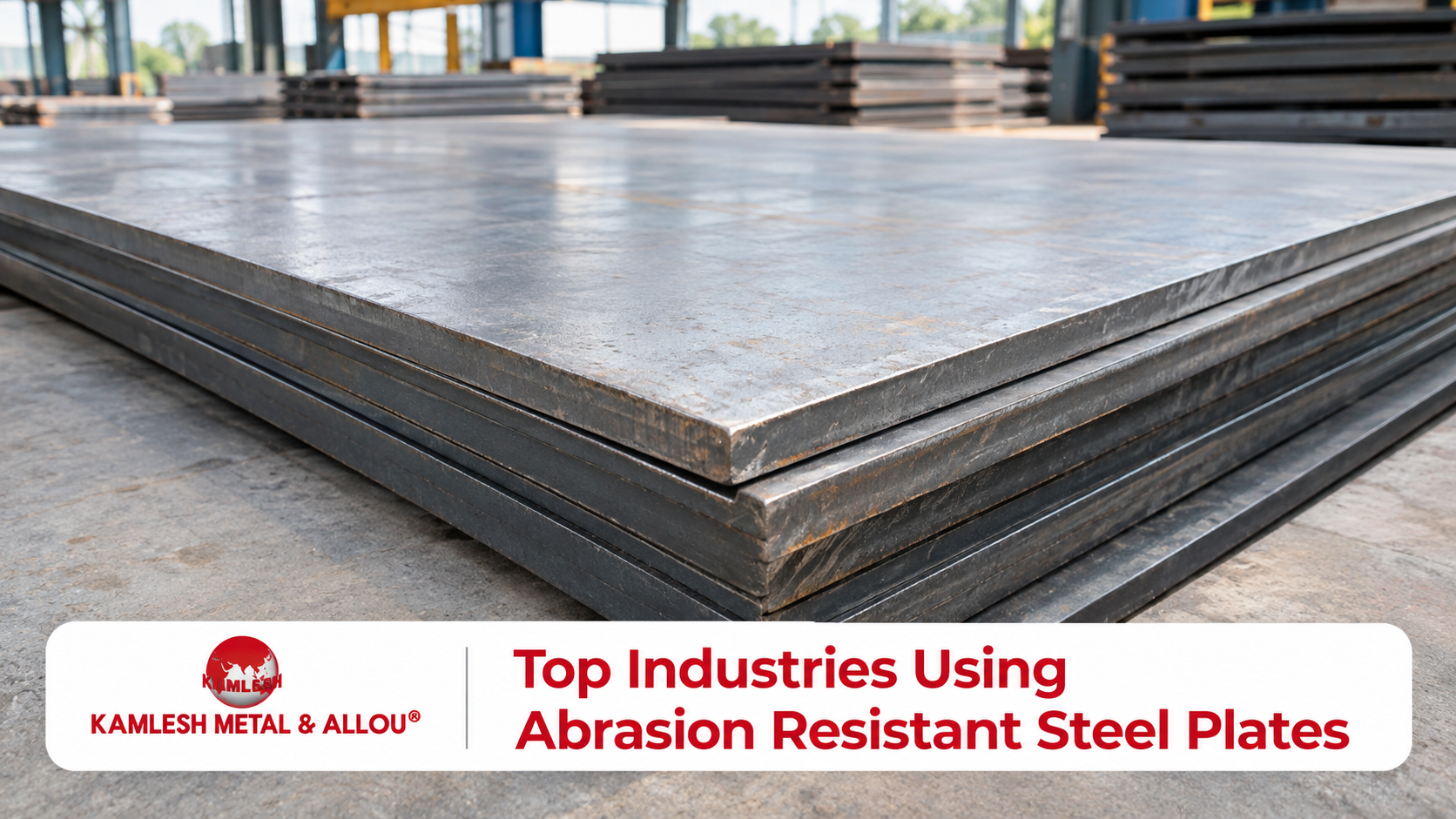
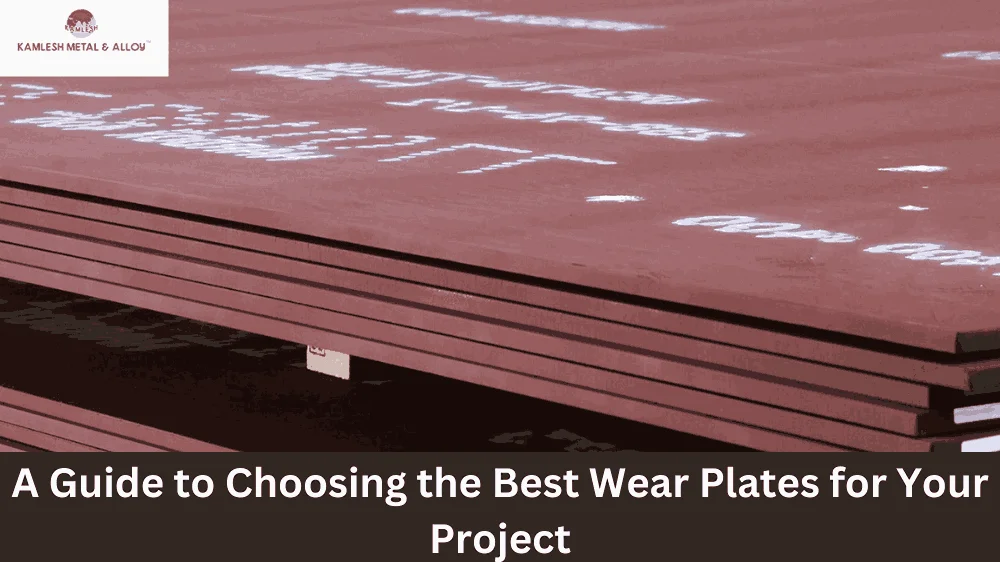
Wear plates, also known as abrasive-resistant Plates (AR plates) or Steel Liner Plates, are steel-based materials used to prevent surface wear and provide additional protection for various types of industrial equipment. They are manufactured with a chromium-rich overlay and a supporting backing plate toto maximize abrasive-resistant qualities. Wear plates come in various shapes and sizes depending on the application.
These plates can be used to protect heavy machinery components in mining, agriculture, drilling rigs, forestry machines, and power plants, among many other industries that require moving parts which need enhanced protection from abrasion caused by contact between them or from dirt and debris coming into contact with them. The overlay offers intense resistance against sliding wear, which causes increased friction while reducing the risk of metal-to-metal damage on surfaces subjected to oscillation movements due to vibrations or shocks. It also reduces corrosion and provides a better grip when handling items like pipes and tubes in different settings, such as offshore platforms for oil extraction-related activities.
Wear resistance plates can significantly reduce costs associated with maintenance operations, allowing for extended periods between checkups, thereby promoting energy efficiency savings resulting from prolonged machine operation time intervals without downtimes related to repairs, keeping production steady over long periods, making it a very effective investment option for many industries worldwide.
Understanding Wear Plates
Before you start selecting wear plates for your project, it’s essential to understand what they are and how they work. Wear plates are metallic plates added to machinery surfaces to provide impact resistance, wear protection, and longer lifespan. They are made of various materials such as aluminium, bronze, carbon steel, or stainless steel, and the thickness, hardness, and impact resistance vary depending on the application.
Identifying the Wear Type
The wear your machinery or component faces is critical in determining which wear plate to choose. There are three primary types of wear: abrasive, adhesive, and erosion. Identifying the wear type and the surfaces most prone to abrasion or erosion will help you choose the type of wear plate that will offer the most effective protection.
Choosing the Right Material
The material used to make the wear plates determines their overall performance and how well they will protect your machinery. Choosing the right material depends on various factors, such as the type of wear, the environment, the temperature, the cost, and the required hardness and resilience. Some common materials used for wear plates include chromium carbide, tungsten carbide, ceramic, and cast iron.
Thickness and Hardness
The thickness and hardness of the wear plate matter as they affect the plate’s overall performance and lifespan. A thicker plate can provide better protection and impact resistance but also increase the weight and cost. The hardness of the plate determines its ability to withstand wear and tear, and different applications require different hardness levels. Choosing the right thickness and hardness will ensure that your machinery is well-protected and has a longer lifespan.
Consult an Expert
Choosing the right wear plates for your project can be challenging, especially if it’s complex and requires specialised knowledge. It’s advisable to consult an expert in wear plates and surface engineering who can assist you in identifying the best options for your project based on the wear type, material, thickness, hardness, and other factors. An expert can also advise on installing and maintaining the wear plates to ensure they work efficiently.
Conclusion:
Choosing the best wear plates for your project is crucial in ensuring that your machinery and equipment are well-protected and have a longer lifespan. Understanding the wear type, selecting the right material, determining the thickness and hardness, and consulting an expert are critical steps to choosing the best wear plates. Remember to consider the application requirements, the environment, the costs, and other factors to make an informed decision. You’ll enjoy reduced downtime, improved productivity, and increased profitability with the right wear plates.