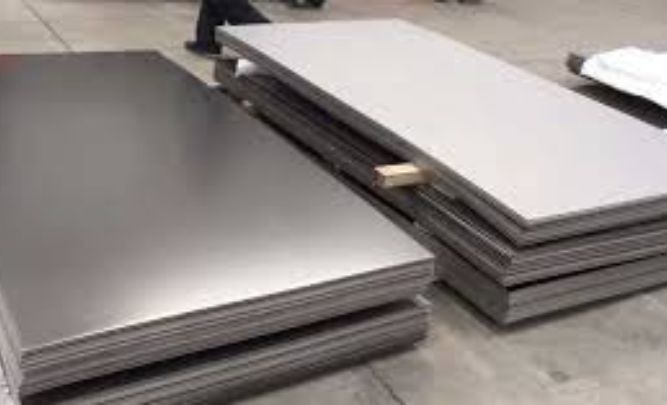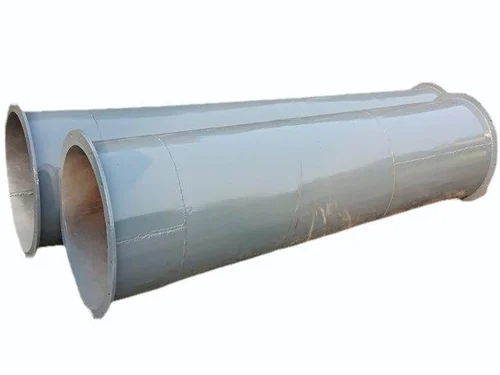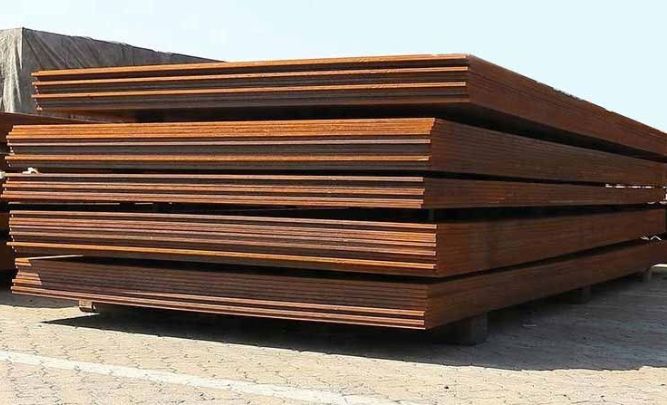

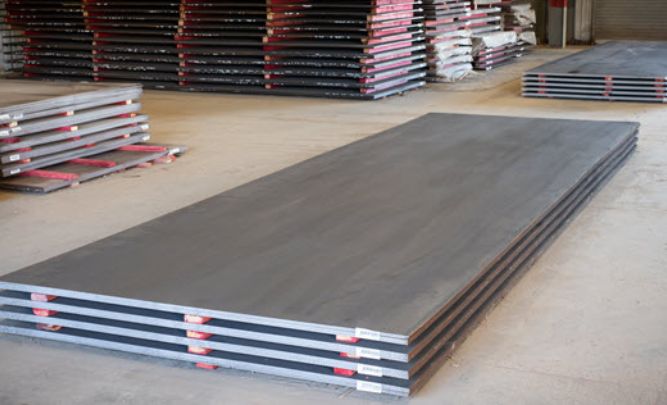
Industries where machines have to deal with hard contact, rough movement and constant friction use abrasion-resistant plates. These plates protect equipment from wear that happens during daily operations. Their strength helps machines last longer and stay safe under tough working conditions. They come in different thicknesses, hardness levels, and cut styles, which makes them useful for a wide range of industrial needs.
What Makes Abrasion-Resistant Plates Different?
Abrasion-resistant plates are stronger than regular steel because they have higher hardness levels. This hardness is measured using a BHN rating. A higher BHN means that the plate can handle a lot of impact and friction without losing its shape or thickness. This is helpful when the equipment has to lift heavy things or deal with sharp things.
These plates also help keep important machine parts from wearing out. They don’t bend or break when they scrape, slide or hit something, which is what usually happens to regular steel. Their long service life helps limit machine downtime. When parts last longer, workers spend less time repairing or replacing them. This lowers maintenance cost and keeps operations running smoothly.
Key Industrial Applications
Many industries that work with rough materials use plates that are resistant to abrasion. These plates are used by each sector to protect the equipment that gets the most wear and tear.
1. Mining Industry
Drilling, crushing, loading and moving hard minerals are all parts of mining. These actions cause metal surfaces to wear down quickly.
Typical Equipment or Components:
- 1. Dump truck bodies
- 2. Chutes and hoppers
- 3. Crusher liners
- 4. Screening equipment
- 5. Mining buckets
- 6. Drilling tools
Why Abrasion Resistance Matters:
Mining equipment faces stones, ores, and dust all day. These materials scrape and hit metal surfaces and cause fast thinning. Abrasion-resistant plates stop this early damage and help the equipment stay strong. Strong liners also stop breakdowns inside remote mining sites. This saves time, fuel and resources needed for repairs.
2. Construction and Earthmoving
Construction machines move soil, rock, and debris from one place to another. This constant contact wears down sharp edges and flat surfaces.
Typical Equipment or Components:
- 1. Bulldozer blades
- 2 .Excavator buckets
- 3. Loader shovels
- 4. Dumpers
- 5. Sidewall guards
- 6. Wear strips
Why Abrasion Resistance Matters:
Friction increases when machines dig or push heavy material. Without protection, the metal loses thickness and becomes weak. Abrasion-resistant plates support stronger cutting edges and better digging performance. They keep buckets in shape, prevent cracks on blades, and help machines stay reliable on rough terrain.
3. Cement and Material Handling Plants
Cement plants work with abrasive materials like clinker, limestone, fly ash, and sand. These materials move through conveyors, mixers, and crushers.
Typical Equipment or Components:
- 1. Feeder pans
- 2. Mixer drums
- 3. Transfer chutes
- 4. Conveyor liners
- 5. Storage silo liners
- 6. Impact plates
Why Abrasion Resistance Matters:
Fine dust and rough solids create quick wear when they move at high speed. Standard steel cannot tolerate this for long periods. Abrasion-resistant plates protect the surfaces so the flow remains steady. This reduces plugging, holes, or breakdowns inside the system. The steady flow also helps maintain product quality.
4. Manufacturing and Heavy Engineering
Factories that work with metal, chemicals or machinery rely on parts that must handle friction every day.
Typical Equipment or Components:
- 1. Press machine plates
- 2. Tooling bases
- 3. Industrial blades
- 4. Guide rails
- 5. Machine guards
- 6. Wear panels
Why Abrasion Resistance Matters:
When tools slide or move, they wear out slowly. If the surface is weak, machines lose accuracy. Abrasion-resistant plates help these parts stay tight and stable. They reduce the frequency of tool change and keep production lines smooth. Workers can depend on steady output with fewer interruptions.
5. Recycling and Scrap Processing
Recycling plants deal with scrap metal, broken concrete, cables, and mixed waste. These materials hit and grind against machine surfaces.
Typical Equipment or Components:
- 1. Hammer mills
- 2. Shredders
- 3. Screens
- 4. Breaker plates
- 5. Baler liners
- 6. Sorting platform liners
Why Abrasion Resistance Matters:
Scrap materials are heavy, uneven and often sharp. Regular steel cannot handle this impact for long. Abrasion-resistant plates absorb force and prevent dents or deep scratches. They protect shredding and cutting machines from early wear. This is important because breakdowns in recycling plants slow down the entire process.
Product Range Overview
There is a full range of abrasion-resistant plates that can meet different needs. These plates follow international standards and come in a range of hardness levels. You can get them in both standard and custom sheet sizes. Cut-to-size plates help users save time during installation and reduce material waste.
Available Product Types:
- Abrasion-Resistant Hot-Rolled Steel Plate
- Abrasion-Resistant Liner Plates
- AR Resistant Steel Plate
- Abrasion-Resistant BHN Plate
- AR Steel Plates
- AR SSAB Make Liner Plate
- HB AR Plates
- Abrasion-Resistant Equivalent Plate
- Abrasion-Resistant Cut Plates
- Abrasion-Resistant Sheets
- Abrasion-Resistant Plates Cut to Length
- EN 10131 Abrasion-Resistant Plate
- AR EN 10051 Plate
- Available Standard Abrasion-Resistant Plates
Conclusion
Abrasion-resistant plates add strength and long life to machines that work under tough conditions. They cut down on early wear and help reduce overall maintenance cost. With steady performance and longer durability, these plates support safer and more reliable operations across many industries.
If you need abrasion-resistant plates for your equipment, you can request a quote today.