In construction and engineering, the material of choice can be the determining factor in how strong, how durable and how successful a project will be. One material that is versatile and performs extremely well is structural steel.
Whether you’re constructing bridges, warehouses, or architectural structures, structural steel tubes provide the strength and dependability required for contemporary construction.
But with numerous types, shapes and grades being sold in the marketplace, selecting the appropriate structural steel pipe can be difficult. This guide will make the process easier by laying down the most critical factors to have in mind when picking structural pipes for your next project.
Understand the Purpose of the Tube
Know the Purpose of the Tube
The first step in choosing the proper structural steel tube is figuring out what it will be used for is the tube going to carry heavy loads, or is it mostly utilised for aesthetic architectural elements? Some common applications include:
- Structural frameworks
- Bridges and overpasses
- Industrial racks and platforms
- Machinery support frames
- Handrails and fences
Heavy-load uses, like supporting heavy spans or raised platforms, need high-tensile strength structural pipes with thicker walls. However, decorative or non-load-bearing uses can be supported by lighter tubes
Select the Correct Shape:
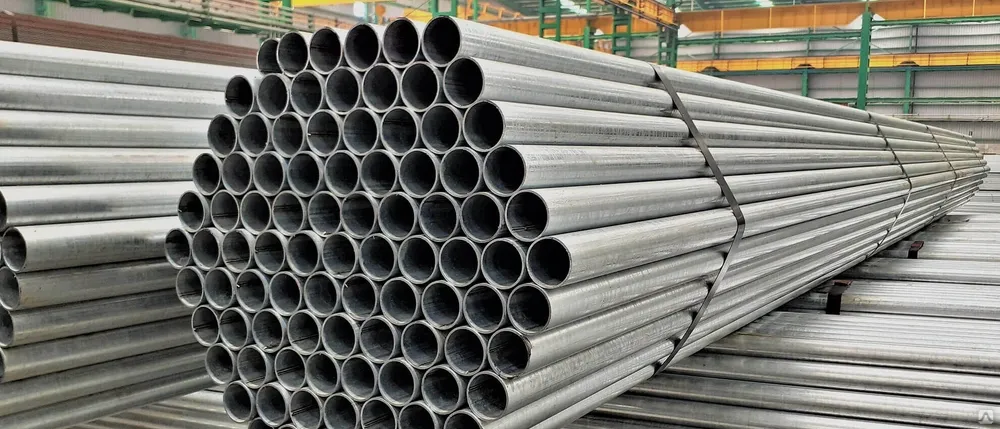
Structural steel tubes come in different shapes, such as:
Round tubes: Best suited for transporting fluids and columns because they are evenly pressure resistant.
Square tubes: Ideal for load-carrying and architectural applications because of their equal strength in each direction.
Rectangular tubes: Frequently used in building and fabrication for their good bending strength.
The correct shape will depend upon the nature of the load, the design and the purpose. Rectangular tubes, for example, have excellent strength in flat positions, so they are suitable for beams and frames.
Choose the Right Grade Material
Not every structural steel pipe is constructed from the same grade of steel. The grade determines the chemical composition, yield strength, and weldability of the material. Common structural steel grades are:
ASTM A500: Most commonly applied to cold-formed welded and seamless tubing for its weldability and strength.
ASTM A513: Suited for mechanical tubing rather than structural applications.
ASTM A252: Often used for piling pipes where strength is crucial.
For most construction applications, ASTM A500 Grade B or C is a reliable choice, offering good balance between cost and strength.
Consider the Wall Thickness and Size
The wall thickness of a structural steel tube directly impacts its load-bearing capacity. Thicker walls mean higher strength but also more weight and cost. Consider the following:
For light structures, thinner walls are sufficient and cost-effective.
For heavy load-bearing frameworks, thicker walls provide greater durability and support.
Standard sizes are readily available, but custom dimensions can be fabricated for specific needs. Always refer to engineering requirements or consult with a structural engineer to decide what is best.
Assess Coatings and Surface Finishes
Based on the environment where the structural pipes are to be used, surface protection may be required. Steel has a potential for corrosion, particularly in marine or outdoor settings. Options include:
Galvanised coating: Tops with a zinc layer to stop corrosion.
Powder coating, or paint: Good for use both aesthetically and for protection.
Bare steel: Workable for interior or non-corrosive applications, might need to be serviced.
The type of coating not only determines lifespan but also the appearance of the completed structure.
Assess Weldability and Machinability
If your project requires welding or further fabrication, choose a steel grade and thickness that supports easy and strong welds. Cold-formed tubes like those made to ASTM A500 standards are typically easy to weld, cut, and shape. Avoid excessively difficult or brittle grades for such applications.
Consider the Supplier’s Dependability
Finally, purchasing your structural steel pipes from a reliable supplier guarantees quality and consistency. Consider:
- Certifications and compliance to global standards
- Size, shape and finish customisation options
- Timely delivery and customer service
- Having an experienced supplier can assist you in handling technical specifications and delivering the precise type of structural steel tube your project requires.
Conclusion
Selecting the appropriate structural steel tubes involves more than choosing a size from a chart. It takes into consideration the functional needs of the project, design limitations and environmental conditions. From material grade and shape to coating and reputation of the supplier, each choice adds up to the strength and durability of your structure.
Whether you’re a contractor, engineer, or architect, taking the time to evaluate your options ensures safety, cost-efficiency, and performance in the long run. The right structural pipes can make all the difference in building projects that stand the test of time.