
Every day, heavy machinery operates in harsh environments. Abrasion, impact, and continual friction gradually deteriorate crucial components. Over time, this wear causes breakdowns, delays and hefty repair costs. That is why choosing the correct wear-resistant plate is critical in heavy-duty and high-impact applications. These plates protect equipment surfaces that are constantly stressed by rocks, minerals and bulk materials. However, selecting the incorrect grade, or thickness can reduce rather than increase service life. Proper material selection helps to reduce wear, limit expenses and keep operations running longer. This blog describes what wear-resistant plates are, how they operate and how to select the best one for your requirements. It also discusses critical features, popular applications, and selection advice, as well as recommending reputable wear-resistant plate providers for long-term performance.
What Is a Wear-Resistant Plate?
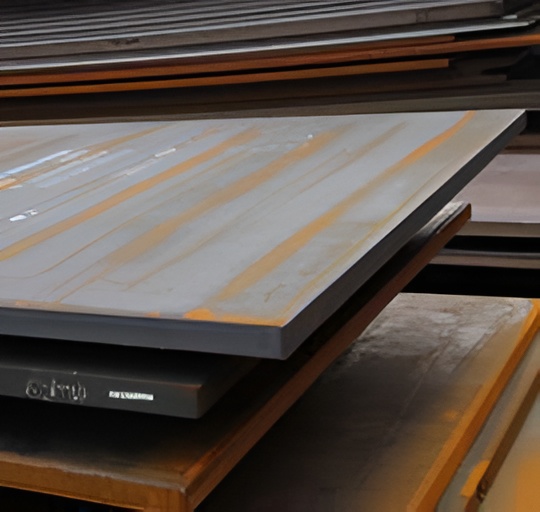
Wear-resistant plates, also known as abrasion-resistant steel plates, are made from specific steels designed to withstand grinding, scraping, and hard wear. Unlike mild structural steel, which bends easily but wears quickly, these plates have a high hardness to prevent damage. AR400 and other common grades have Brinell hardnesses ranging from 360 to 440. AR500 pushes to 470-540 HB for more challenging conditions. They operate in areas such as mining (buckets scrape rock), building (dozer blades) and cement plants (lining chutes). These plates maintain sharper edges for extended periods of time, allowing gears to work smoothly without regular changing.
Key Factors to Consider When Selecting Wear-Resistant Plates
Selecting the right wear plate depends on how and where it will be used. A clear understanding of working conditions helps avoid early failure.
Type of wear:
Different applications face different wear types. Abrasion comes from sliding materials like sand or ore. Impact wear occurs from falling rocks or debris. Some systems face erosion or metal-to-metal sliding. Each type needs a specific grade to perform well.
Hardness versus toughness:
Hard plates resist abrasion better, but it may crack under heavy impact. Tougher plates absorb shock, as it degrade faster. This right balance depends on whether abrasion, or impact is the primary threat.
Operating temperature and environment:
Plates function differently in hot, cold, or corrosive places. Some grades lose durability in cold weather. At high temperatures, certain objects may become softer, as the environment is always important.
Plate thickness and size:
Thicker plates last longer but add weight and cost. Thin plates may wear out too fast. Size accuracy also affects fit and performance in equipment.
Fabrication needs:
Cutting, bending, and welding requirements should match the selected grade. Very hard plates need special methods to avoid cracks or heat damage.
Understanding Hardness and Toughness in Wear Plates
Hardness and toughness are two different things, and you need both to keep your project running smoothly.
- Explanation of Brinell hardness (HB) values: The Brinell scale measures how much a material resists being dented. Most wear plates are rated between 400 HB and 500 HB, which tells you how much abuse the surface can take.
- Relationship between hardness and wear life: In general, a higher Brinell value indicates that the plate will endure longer while sliding sand, or gravel. Moving from a 400 HB plate to a 500 HB plate can sometimes double the service life of a component.
- Importance of toughness to prevent cracking and failure: Toughness is the steel’s capacity to absorb energy without breaking. If a plate is overly hard, and lacks resilience, a single strong hit from a massive boulder can cause it to break.
- Selecting the right grade based on impact conditions: For jobs with high impact, a slightly softer but tougher plate, like AR400 is often better. For jobs where things just slide across the surface, go for the harder AR500 or AR600.
Common Applications of Wear-Resistant Plates
These plates are the backbone of many heavy industries. They keep the world’s most powerful machines working through the dirtiest jobs.
- 1. Mining and quarrying equipment: Excavator buckets, liners, and crushers use these plates to handle tons of jagged rocks. Without them, the machines would need repairs every few weeks.
- 2. Cement and steel industry machinery: Chutes and hoppers that carry hot or abrasive raw materials rely on wear plates. They keep the production line moving without constant stops for maintenance.
- 3. Earthmoving and construction equipment: The bulldozer blades, and dump truck beds are coated with AR steel. This enables them to transport sharp debris and thick dirt without wearing down.
- 4. Material-handling systems and conveyors: Conveyor belts often drop large goods into bins. These bins require wear-resistant liners to prevent the constantly falling material from punching holes in the metal.
- 5. Power plants and recycling industries: Scrap metal shredders and coal handling chutes face extreme friction. Hardened plates ensure these systems can process waste and fuel for years.
- 6. Agricultural and bulk material processing equipment: Grain silos and fertiliser spreaders use thinner wear plates. These protect against the corrosive and abrasive nature of seeds and chemicals.
Benefits of Choosing the Right Wear-Resistant Plate
Getting the right material from Wear Plate Manufacturers pays off quickly through better performance and lower costs.
- 1. Extended service life of equipment: The most obvious benefit is that your machines last longer. You won’t have to replace parts as often, which saves a lot of money over time.
- 2. Reduced downtime and maintenance costs: Each hour a machine remains idle in the workshop is an hour it fails to generate revenue. Quality plates result in reduced repairs, and more productivity on the job site.
- 3. Improved operational efficiency: When parts stay in good shape, the machine works better. Smooth surfaces on liners mean material flows faster and doesn’t get stuck in worn-out pockets.
- 4. Enhanced safety and reliability: Worn-out metal can fail suddenly, which is dangerous for workers. Using the right wear plates ensures your equipment stays strong and predictable.
- 5. Better overall return on investment: Even if a high-quality plate costs more today, it saves you more tomorrow. You spend less on labour, replacement parts, and lost production time.
Selection Tips for Long-Term Performance
To get the most out of your purchase, follow these simple tips during your selection process.
- Match plate grade to wear conditions: Don’t just buy the hardest plate available. Look at your specific job and decide if you need more impact resistance or more sliding protection.
- Consult technical data and application guidelines: Read the data sheets provided by the manufacturer. The supplier will offer you information on how the steel operates under different types of stress and heat.
- Consider lifecycle cost rather than initial price: Cheap steel often results in higher costs over time due to the need for regular replacements. Look at the total cost of the plate over its entire life.
- Source from reliable wear plate manufacturers: Always buy from companies that have a good reputation. Quality varies between brands, and you want steel that is hard all the way through, not just on the outside.
Conclusion
Choosing the right wear-resistant plate is one of the smartest moves one can make for its industrial project. It protects your equipment, keeps your team safe, and saves you a lot of money on repairs. By understanding the difference between hardness and toughness, you can pick a grade that fits your specific environment perfectly. Remember that every project is unique, so take the time to look at your wear patterns before buying. High-quality steel ensures your machines stay in the field where they belong. Contact trusted wear-resistant plate suppliers to find the best solution for your project needs.