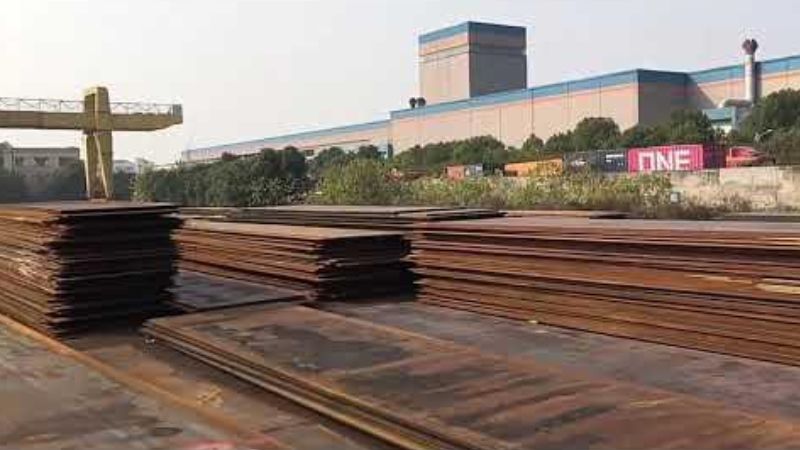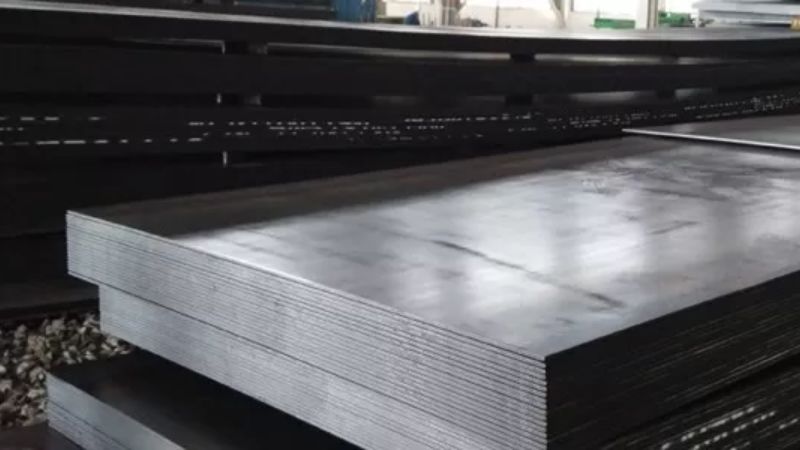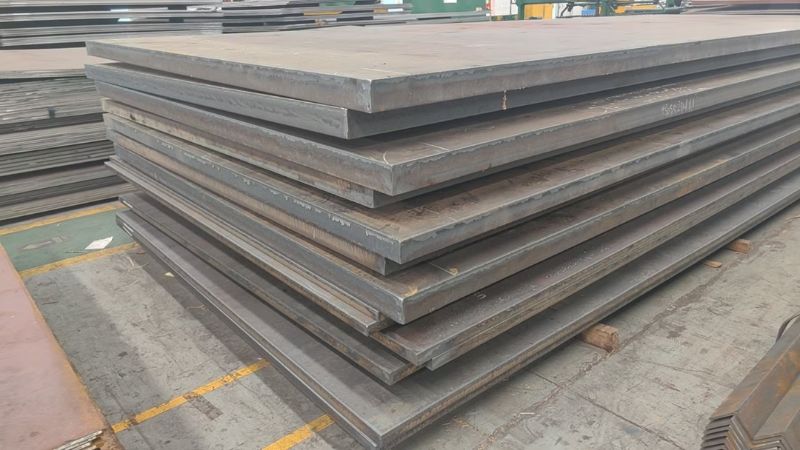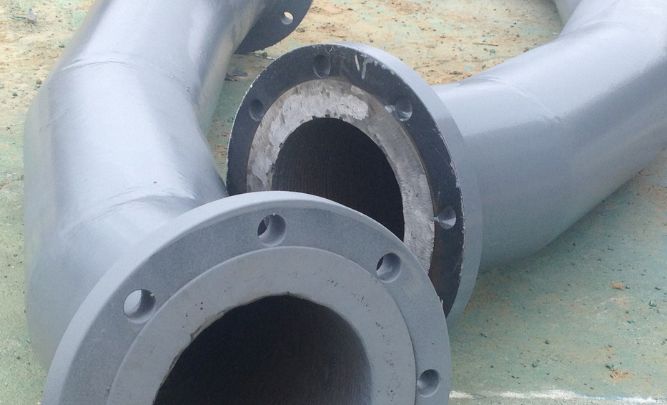


Wear-resistant steel plates are made to withstand heavy and strenuous wear and tear from various machinery, equipment or manufacturing tools. They are designed to last, be durable, and protect your investment in the long haul. These plates are made of special steel, which highly resists abrasion and toughness. This blog post discusses the common applications of wear-resistant steel plates and how they can benefit different industries.
What are Wear Resistant Steel Plates?
Wear resistant steel plates are specially made to resist wear, abrasion, and impact. They are manufactured with a combination of high-strength alloy steels and other materials like carbon, chromium, manganese, vanadium and molybdenum, providing excellent protection against abrasive conditions. The unique properties of the steel provide durability in work environments exposed to mechanical stress.
Advantages of Using Wear Resistant Steel Plate
Abrasion Resistance
One of the primary advantages of wear resistant steel plates is their abrasion resistance. This quality is a result of the alloy composition of the steel and the heat treatment process that the steel undergoes. Wear resistant plates can withstand high levels of abrasion, making them ideal for use in applications with a risk of wear and tear.
Impact Resistance
Another advantage of wear resistant steel plate is their impact resistance. This quality allows the steel to absorb energy from impact rather than being damaged by it. This makes wear resistant plates ideal for applications with a risk of impact or collision.
Corrosion Resistance
Wear resistant steel plate also has corrosion resistance due to the addition of chromium to their alloy composition. This element forms a thin layer of chromium oxide on the surface of the steel, which acts as a barrier against corrosion.
Temperature Resistance
Wear resistant plates can also withstand high temperatures due to their high carbon content. This makes them ideal for applications with a risk of exposure to high temperatures, such as in foundries or furnaces.
Low Maintenance
Wear resistant steel plates require little maintenance, as they are not susceptible to rust or corrosion. This makes them ideal for use in applications where there is no easy access to maintenance or replacement.
Common Applications of wear Resistant Steel Plate
Construction and Mining Industry:
Construction and mining industries use equipment subjected to wear and tear, so the required equipment must be sturdy and long-lasting. Wear-resistant steel plates can be used in various mining and construction equipment, such as wear liners, rock breakers, bulldozers and excavator bucket liners. They are ideal for this industry because they have high strength, which means they can withstand heavy impacts. The use of wear-resistant plates helps increase the lifespan of the equipment while maintaining its efficiency.
Transportation and Automotive Industry:
Wear-resistant steel plates also find their use in the transportation industry. Many parts of vehicles, such as bulldozers, lorries, trailers, and dump trucks, are exposed to harsh conditions, requiring frequent repairs. Wear resistant plate can significantly reduce maintenance costs in the transportation and automotive industry.
Agriculture and Farming Industry:
The agricultural industry involves heavy machinery and equipment that is regularly used. Wear-resistant steel plate can be utilized in machinery parts such as crop harvester blades and chutes that receive heavy impact, soil tilling equipment and plowshares that experience high resistance levels. These plates help prolong the lifespan of machinery parts, and thus, they benefit the agriculture and farming industry by keeping the cost of maintenance low.
Energy and Power Generation Industry:
The energy and power generation industry also benefits from using wear-resistant plate. Regular wear and tear of the machinery are the main concerns of this industry. The parts, such as boiler blades, turbines and hoppers, can experience corrosion and wear due to constant use. The use of wear-resistant plate helps reduce downtime, increases the lifespan of equipment, increases productivity, and keeps maintenance costs low.
Steel and Cement Industry:
The steel and cement industry works with high temperatures, heavy machines, and heavy materials, hence the need for high-strength wear-resistant plates that withstand such pressures. These steel plates are used in cement and steel mills’ liners, buckets, hoppers, and chutes. They help reduce downtime and repairs and increase the lifespan of machinery and equipment.
Conclusion:
Wear-resistant steel plates are necessary for industries handling heavy-duty machinery and equipment. They provide longevity and high wear and tear resistance, reducing downtime and the cost of maintaining equipment. Industries such as transportation, mining, agriculture, steel, cement, power generators and many others benefit from this advanced technology. By using wear-resistant steel plates, the machinery will have a longer lifespan and help achieve long-term goals.