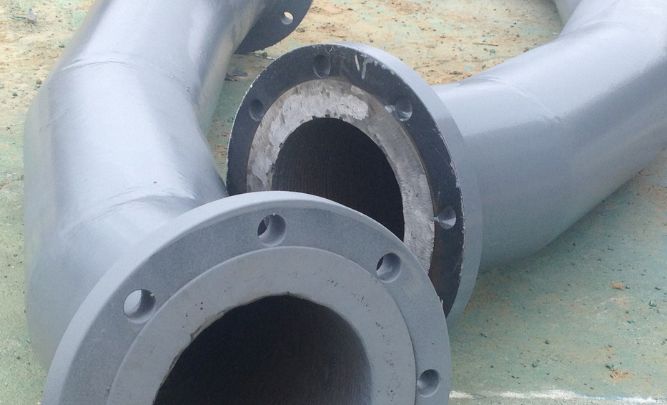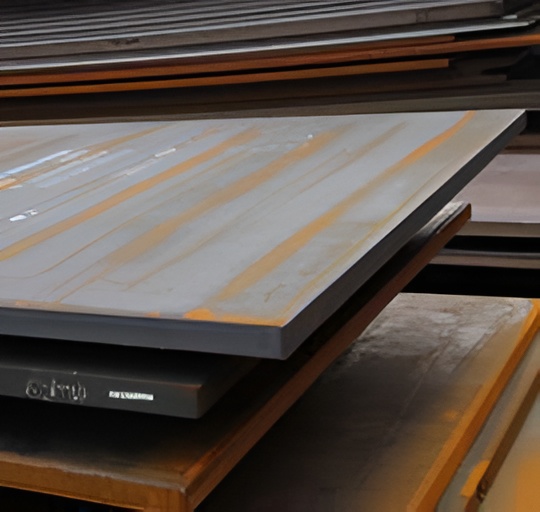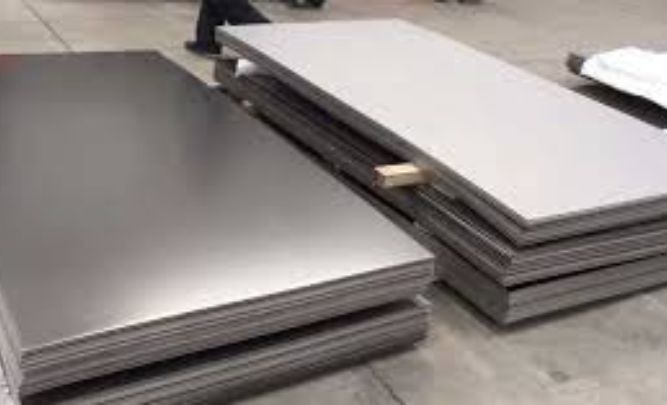

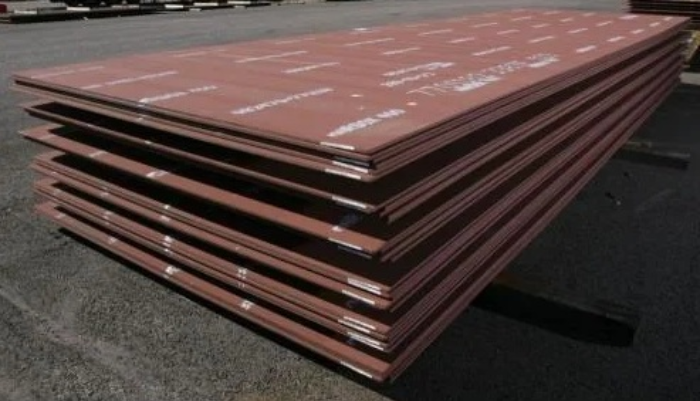
Wear parts take a beating every day. As machines grow bigger and workloads rise, standard steel no longer holds up. This has led to strong demand for high-performance, wear-resistant steel plates that last longer and fail less often. Hardox® Plates answer this need by offering proven wear strength with steady quality. Choosing the right Hardox® plate supplier is just as important as choosing the brand. Each grade reacts differently to wear, impact, and load. A poor match can lead to early failure, cracks, or high repair costs. The right match keeps equipment running longer with fewer shutdowns. Hardox® is a premium wear plate brand made by SSAB. It is known for clean steel, tight quality control, and even hardness across the plate. Hardox® 400, Hardox® 450, and Hardox® 500 are the most popular grades for mining, construction, and bulk handling. Many suppliers of Hardox® plates focus on these grades because they meet most real-world needs.
What Are Hardox® Plates?
Hardox® plates are wear-resistant steel plates made to handle heavy abrasion while staying tough. They are used in parts that face sliding wear, impact, and constant load. The goal is simple: longer service life with less downtime. SSAB produces Hardox® plates under strict control. Each plate goes through heat treatment that locks in hardness and strength. The steel chemistry and rolling process are kept tight to ensure steady quality from one plate to the next. This helps fabricators trust the material during cutting, forming, and welding. Hardox® Plates are known for their high hardness, strong toughness, and consistent properties. These qualities stay the same all over the plate. Hardox® is different from many other wear plates as it doesn’t have weak spots or wear that isn’t even. Hardox® plates last longer than standard wear plates and are thinner. Many users switch to thinner plates and still get equal or better life. This helps reduce weight, fuel use, and stress on equipment.
Overview of Hardox® Grades: 400, 450 & 500
Hardox® grades are based mainly on hardness level. The grade number reflects the average Brinell hardness, which links directly to wear life. As hardness rises, wear resistance improves, while formability drops. Hardox® 400 usually falls in the range of about 370–430 HBW. Hardox® 450 sits higher, around 425–475 HBW. Hardox® 500 reaches the top end, often between 470–530 HBW. Each step up offers more wear life but less tolerance for impact and forming. All three grades balance wear resistance with impact strength. The right balance depends on how the part is used. High impact calls for more toughness. Heavy sliding wear calls for higher hardness. Selecting the right grade matters. Overusing high hardness adds cost and limits forming. Underusing hardness leads to fast wear and early replacement.
Hardox® 400 Plates: Properties and Applications
Hardox® 400 is often chosen when both wear resistance and impact strength are needed in equal measure. It works well in parts that face steady abrasion along with frequent shock loads.
Hardness range and mechanical properties
Hardox® 400 has a typical hardness range of about 370–430 HBW. This level gives reliable wear life while keeping good strength. The steel absorbs impact without cracking, even under repeated loading.
Excellent toughness and formability
One key strength of Hardox® 400 is how easily it bends and shapes. It can be rolled, pressed, and cut with less risk of fracture. This makes it suitable for parts with complex shapes.
Suitable for moderate abrasion and impact
This grade performs well where material slides, drops, or strikes the surface. It handles mixed wear conditions where neither abrasion nor impact is extreme but both are present.
Common applications
Dump truck bodies, liners, buckets, chutes, and skip bodies often use Hardox® 400. These parts need a balance of wear life and shock resistance during daily operation.
Advantages of using Hardox® 400
The grade offers long service life with easy fabrication. It reduces downtime while keeping fabrication and repair work simple and cost-effective.
Hardox® 450: Properties and Applications
Hardox® 450 builds on the strengths of Hardox® 400 by adding more hardness while keeping solid toughness. It is the most widely used grade due to its broad performance range.
Higher hardness than Hardox® 400 with good toughness
With a hardness range around 425–475 HBW, Hardox® 450 resists wear better while still handling regular impact. It maintains strength under heavy working loads.
Improved wear resistance and longer service life
The added hardness slows down wear in abrasive zones. Parts last longer before replacement, which lowers maintenance costs over time.
Common uses in mining, construction, and material handling
This grade is trusted in harsh sites where equipment runs long hours. It handles rough material flow and steady impact without early failure.
Applications
Loaders, crushers, screens, conveyor systems, and transfer points often rely on Hardox® 450 for consistent wear performance.
Why Hardox® 450 is the most widely used grade
It offers a strong balance of wear life, strength, and fabrication ease. For many users, it delivers the best overall value.
Hardox® 500: Properties and Applications
Hardox® 500 is designed for extreme wear zones where abrasion is severe and impact is limited. It delivers the highest wear life among common Hardox® grades.
Highest hardness among standard Hardox® grades
With hardness levels often between 470–530 HBW, Hardox® 500 stands out in resisting metal loss from sliding wear.
Exceptional abrasion resistance
The grade performs well in areas where sharp or hard material grinds against the surface. It slows wear even in constant material flow.
Best suited for severe wear conditions with low impact
Hardox® 500 works best where shock loads are minimal. Heavy impact can raise crack risk, so proper use is important.
Applications
Liners, wear strips, heavy-duty chutes, and fixed wear parts often use this grade to extend service intervals.
Considerations for fabrication and welding
Due to high hardness, forming and welding need extra care. Controlled heat input and skilled handling help avoid stress cracks.
Comparing Hardox® 400 vs 450 vs 500
Each Hardox® grade serves a different wear role. Understanding these differences helps avoid overuse or early failure.
Hardness, toughness, and wear life
Hardox® 400 offers the best impact strength, Hardox® 450 balances wear and toughness, and Hardox® 500 delivers maximum wear life.
Suitability for operating environments
High-impact zones favor lower hardness grades, while heavy abrasion zones benefit from higher hardness plates.
Trade-offs between impact resistance and abrasion resistance
As hardness increases, forming and impact tolerance reduce. Choosing too hard a grade can cause cracking in shock-heavy areas.
Guidance on selecting the right grade
Always assess wear type, impact level, and part design. The best grade is the one that matches real service conditions.
Hardox® 400, Hardox® 450, and Hardox® 500 each solve different wear challenges. Hardox® 400 suits mixed wear with frequent impact. Hardox® 450 covers most heavy-duty jobs with steady abrasion. Hardox® 500 excels in severe wear zones where impact stays low. The right choice depends on how the part works, not just hardness numbers. Matching the grade to the application improves service life, reduces downtime, and keeps operating costs under control.
Contact Kamlesh Metal Alloy for Hardox® Plate Suppliers to select the right grade for your application.