
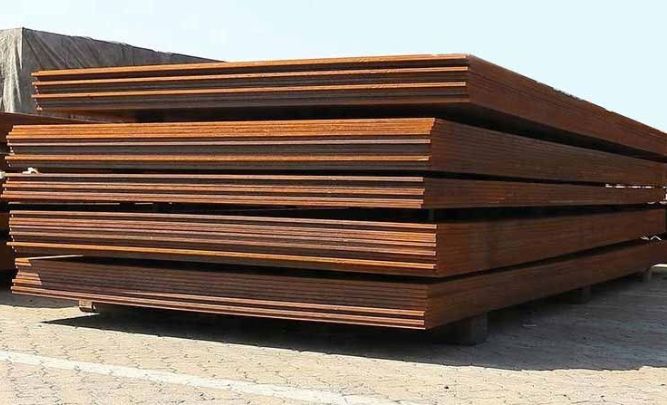
Wear Plate Overview
Wear plates play a key role in protecting industrial equipment from damage. These plates act as a shield against abrasion, impact, heat, and other forms of wear that occur during regular operation. They help extend machine life, improve performance, and reduce unplanned downtime. Industries use many types of wear plates based on the job, the material handled, and the level of stress on the equipment. Choosing the right wear plate depends on operating conditions, wear type, hardness needs, and service life expectations. For companies that need reliable wear protection, suppliers such as a wear plate manufacturer in Mumbai offer many options that match different applications.
What Are Wear Plates?
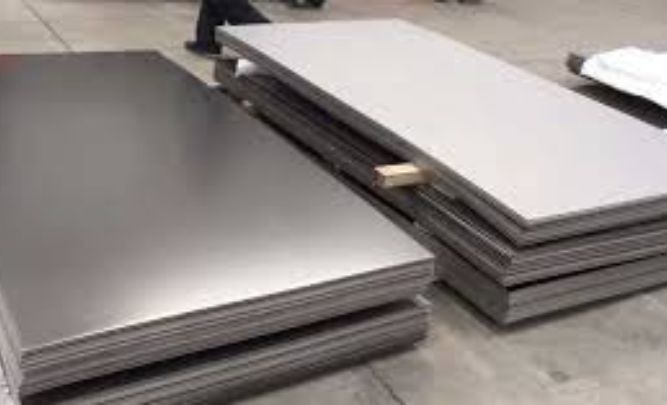
Wear plates are metal or composite plates fixed onto machines to guard surfaces that come in contact with hard, rough, or abrasive materials. Their main goal is to reduce surface damage and slow down wear. A wear plate absorbs friction, impact, or heat, which protects the main machine part. This helps the equipment last longer and lowers maintenance needs.
Wear plates are commonly used in areas where material slides, flows, or strikes the machine surface. They offer stable performance, handle high loads, and work well in harsh environments where parts wear out fast without extra protection.
Types of Wear Plates
Wear plates fall into two main categories. Each category offers different levels of strength and protection depending on the job.
Steel-Based Wear Plates
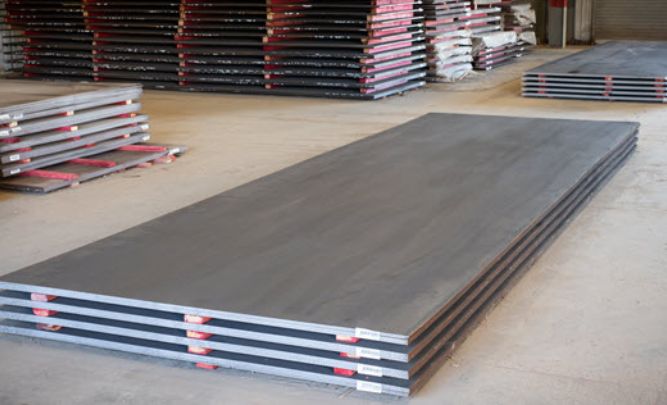
Steel wear plates are the most common type. They offer strong resistance to abrasion and impact. These plates come in many grades, including hardened steel and quenched and tempered steel. Most heavy equipment uses steel wear plates because they handle tough working conditions well. Common uses include mining tools, earthmoving machines, chutes, hoppers, and crushers. Steel plates work well for both sliding wear and heavy impact zones.
Other Wear Plate Types
Some applications need more than what steel can offer. This is where non-steel wear plates are used. These may include:
· Ceramic wear plates that are very resistant to wear and tear.
· Rubber wear plates that soak up shock and cut down on noise.
· Polymer wear plates that have low friction and work well in areas that are wet or corrosive.
· Composite wear plates that mix metal with ceramic or other materials for areas that wear down quickly.
· These plates are common in bulk handling, chemical plants, cement mills and areas that need light weight or non-metallic options.
Industrial Use Cases
Wear plates are used across many industries where equipment handles hard or abrasive material. They help reduce wear and protect machine parts that face constant friction or impact.
1) Mining and Quarrying
Used in loaders, excavators, crushers, conveyor systems, and screening units. Wear plates help machines last longer in rough, abrasive places.
2) Construction and Earthmoving
Used in bulldozers, dump trucks, graders and backhoes. They protect blades, buckets, and ground-engaging parts from heavy impact and soil abrasion.
3) Cement and Concrete Plants
Used in mixers, grinding units, chutes, and hoppers. Plates keep machines safe when they work with rough materials and cement dust.
4) Steel and Metal Processing
Used in tools for moving materials, furnace parts and transfer lines. Plates protect surfaces from contact with heat, slag, and metal.
5) Agriculture and Food Processing
Used in grain handling machines, conveyors, and feed systems. Wear plates reduce friction and help maintain smooth flow.
6) Power and Energy
Used in coal handling units, mills, and ash conveyors. Wear plates prevent erosion caused by coal, ash, and high-speed particles.
7) Waste Management and Recycling
Used in shredders, compactors, and sorting systems. Plates help equipment handle mixed waste, scrap metal, and glass.
Wear Plate Selection Guide
Picking the right wear plate depends on the stress level, working conditions, and wear pattern. A simple review of these factors helps ensure better performance and longer equipment life.
Type of Wear
Wear plates face different kinds of wear.
• Abrasive wear: Caused by sliding or rubbing particles. Steel plates or ceramic plates are common.
• Impact wear: Caused by sudden strikes or heavy loads. Tough, impact-resistant plates work best.
• Heat-related wear: Found in furnaces or high-temperature zones. Heat-resistant alloys are needed.
• Corrosion wear: Happens in wet or chemical environments. Stainless or polymer plates help.
Operating Conditions
Speed, temperature, moisture, material type, and load all affect the wear plate choice. Harsh or mixed conditions need plates with a balance of hardness and toughness.
Hardness and Toughness Requirements
Hardness makes it harder to wear down. Toughness helps keep things from cracking when they hit something. Different pieces of equipment need different amounts of each. Higher hardness works for sliding wear. Higher toughness works for impact zones.
Fabrication and Installation Needs
Some plates are easy to weld, cut, or bend. Others need special tools. The choice depends on how often the part is replaced and how complex the shape is.
Cost and Expected Service Life
The price and lifespan of wear plates vary. A plate that lasts longer may cost more but it can lower downtime and maintenance costs. The plate that offers the best protection and a reasonable replacement cycle is the best choice.
Conclusion
Wear plates help shield equipment from abrasion, impact, and harsh working conditions. The right type keeps machines stable, productive, and safe.A well selected wear plate also cuts downtime and reduces repair costs. A wear plate supplier in Mumbai has a lot of options so businesses can find the right plate for their work and equipment design. Choosing carefully guarantees a longer service life and better performance in all major industrial sectors.