
The construction industry works in demanding conditions where materials face constant stress, impact and abrasion. To handle these problems, builders, and equipment manufacturers use advanced wear-resistant steels like Hardox® 400 Plate and NM400 Plate. These materials are known for their strength, hardness, and long service life, which makes them perfect for heavy-duty construction projects. These applications reduce maintenance expenses, save downtime, and improve project efficiency overall. This blog discusses what Hardox® 400 Plate is, how it differs from standard steel, and where it is commonly used in construction. This also looks at its primary benefits, and why sourcing from reliable hardox® 400 plate suppliers is important for long-term performance.
What is Hardox® 400 Plate?
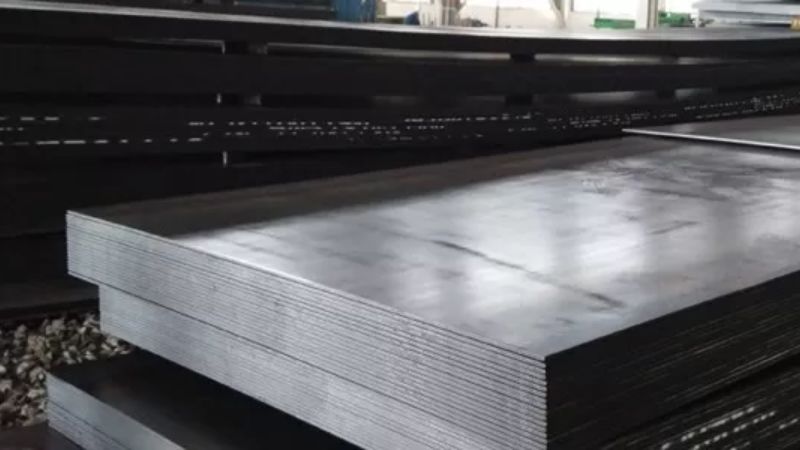
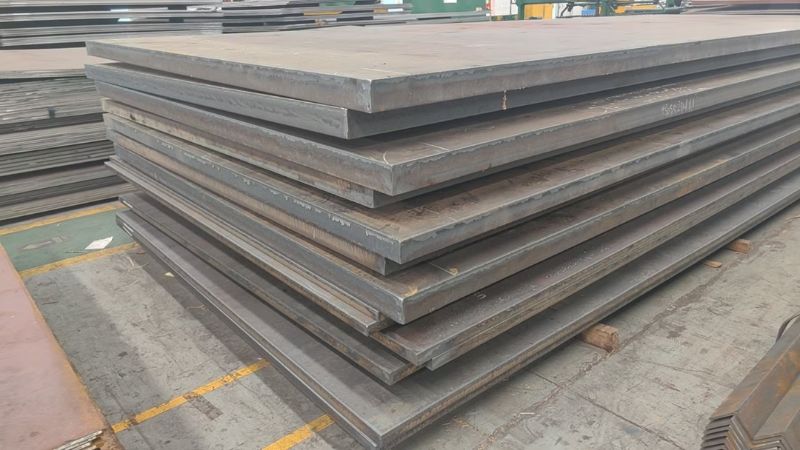
Hardox® 400 Plate is a high-strength, wear-resistant steel plate with a nominal hardness of about 400 HBW that is designed to withstand abrasion and impact in harsh working conditions. Its chemical composition and precise heat treatment provide exceptional toughness while retaining acceptable formability and weldability. Hardox® 400 Plate offers significantly better resistance to wear, which means thinner plates can often be used without sacrificing performance. This leads to lighter structures and improved efficiency.
NM400 Plate is widely recognised as an equivalent grade and is commonly used in similar applications across the construction and mining industries.
Applications in the Construction Industry
The wide range of uses makes these plates a common choice on modern construction sites. They are used in both heavy equipment that handles raw materials and in structures that need long-term strength and reliability. Their ability to resist wear while maintaining high strength makes them suitable for demanding construction tasks.
- Heavy Machinery Components
One of the most common uses for hardox® plates is heavy construction machinery. Excavator buckets are an ideal example, as they are constantly digging into hard rock, soil, and debris. These buckets would swiftly wear out if they were not made of wear-resistant steel. Hardox® 400 Plate is particularly beneficial for dump truck beds as it protects the frame from dents and damage when dumping stones, and materials. Loader buckets use hardened steel to keep their cutting edges sharp for longer periods, which improves efficiency and reduces fuel use.
- Structural Applications
Although wear resistance is the main advantage, the high strength of these plates also supports structural use. Reinforced concrete forms, for instance, must withstand heavy pressure during concrete pouring. Using high-strength plates helps prevent bending or deformation. In certain bridge structures and heavy beams, these plates provide added strength and safety compared to standard construction steel.
- Protective Linings
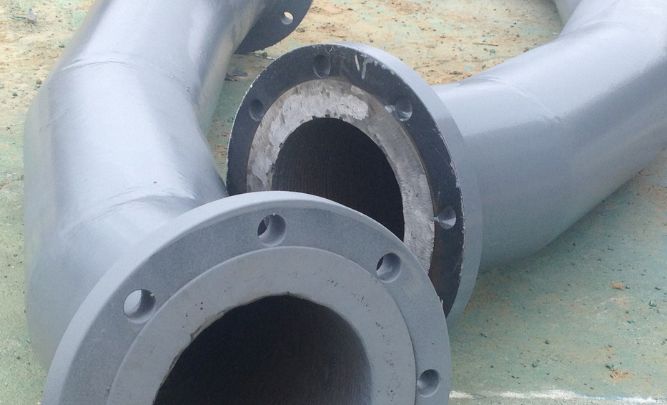
Many fixed construction systems face constant friction from moving materials. Chutes and hoppers that carry sand, gravel, or crushed stone can wear out quickly if made from ordinary steel. Using Hardox® 400 Plate as a lining creates a strong protective layer. These liners can be replaced easily, which reduces repair time and lowers overall maintenance costs.
- Road and Infrastructure Projects
Road construction involves severe abrasion and impact. Asphalt milling machines remove old road surfaces, creating high levels of wear on nearby components. Hardened plates protect the equipment from damage caused by debris. In pavement-laying machines, these plates help move hot and abrasive materials without rapid wear, ensuring reliable performance and longer equipment life.
Advantages of Hardox® 400 Plate
Choosing the right material changes the bottom line of a project. Here is why many firms contact hardox® 400 plate suppliers when starting a new build or repairing old gear.
- Longer Equipment Life
The most obvious benefit is durability. A machine part made from Hardox® 400 Plate can last three to five times longer than one made from mild steel. This longevity means less downtime. Every hour a machine sits in the shop for repairs is an hour it isn’t making money for the project.
- Lower Maintenance Costs
While the initial price of specialised steel is higher, the long-term savings are massive. We spend less on replacement parts and welding labour. Because the steel is so strong, designers can often use thinner plates. This reduces the overall weight of the machine. A lighter truck can carry more payload, which increases fuel efficiency and lowers transport costs.
- Impact Resistance
Construction is rarely a smooth process. Rocks drop, beams shift, and collisions happen. NM400 Plate and Hardox® varieties are designed to absorb that energy. They deform slightly rather than snapping or cracking. This “forgiving” nature prevents catastrophic equipment failure during a busy shift.
- Sustainability Benefits
Longevity is good for the environment. Using less steel over the life of a project reduces the total carbon footprint. When equipment lasts longer, we mine less ore and use less energy for manufacturing. It is a win for both the project budget and the world.
Conclusion
Hardox® 400 Plate is an important component of modern construction as it is used in heavy machinery, structural applications, protective linings, and infrastructure projects. Its durability, wear resistance and cost effectiveness make it a better choice than standard steels. As building demands increase, the need for dependable hardox® plates will only grow. To ensure constant quality, and performance, it is critical to engage with professional hardox® 400 plate suppliers, who can provide approved materials for demanding building applications.